Yap About Folk Valley
TRIGGER WARNING!!! Some images below may be disturbing to some users.
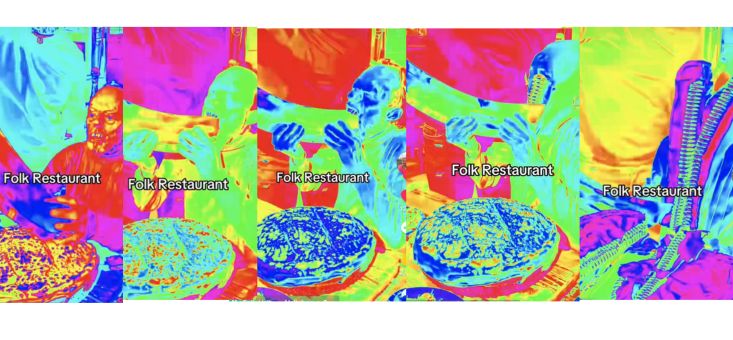
An alarm blares incessantly while an expressionless man sits at the table in front of his pizza. Behind him, someone is slicing through a layer of dough with a machete when, all of a sudden, the first man grabs the blade and bites into it, ending up sliced clean in half. The inside of his body looks like a coiled spring. At first, I can't quite tell, because of overexposure that washes out the detail.
This is the first video from the "Folk Valley" universe (?) that I come across on TikTok, on July 6. I notice that it has been posted just a week earlier, on June 29, by a profile with very few followers. Drawn in by this crypticness, I decide to dive deeper into Folk Valley, trying to figure out what it is actually about.
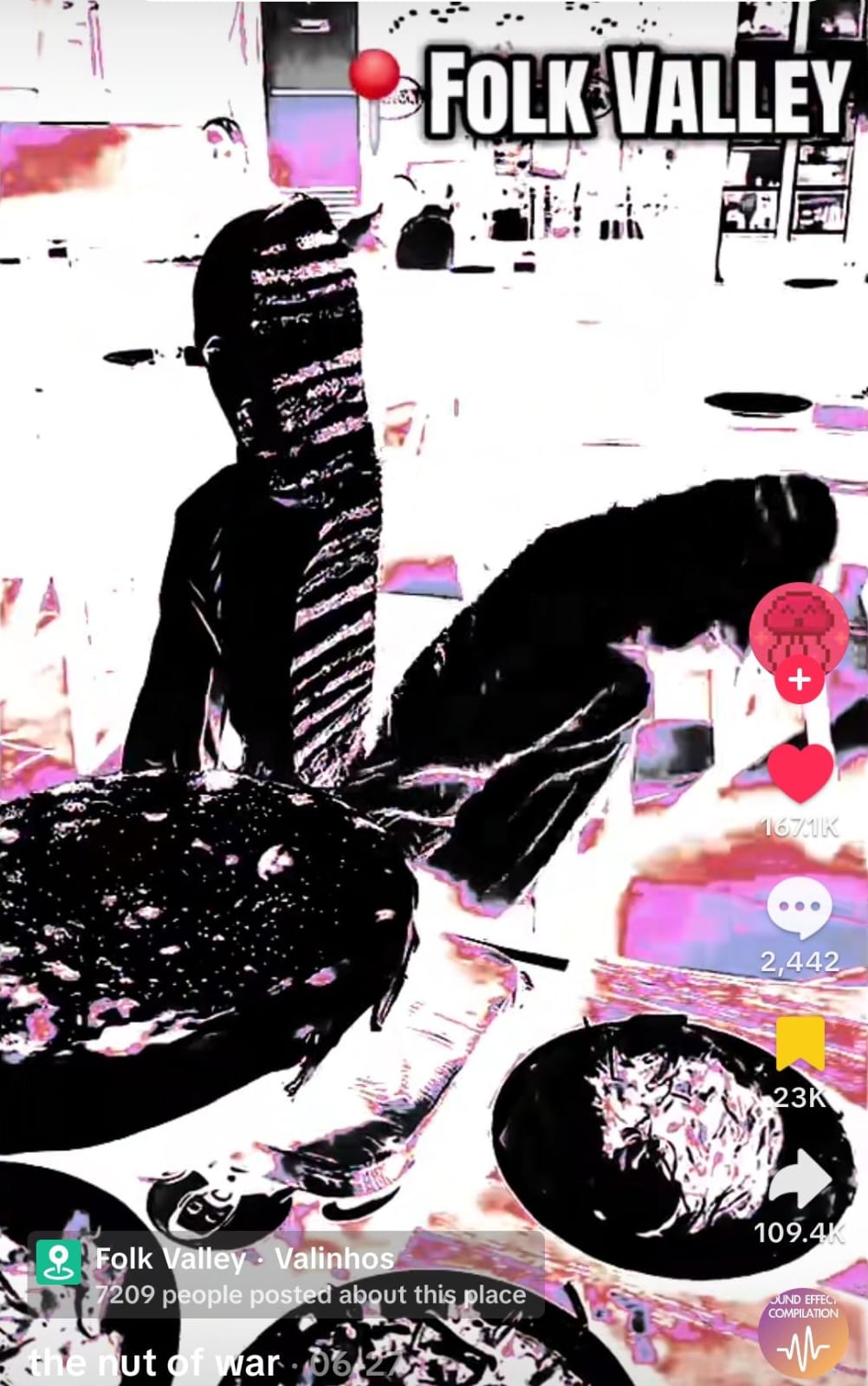
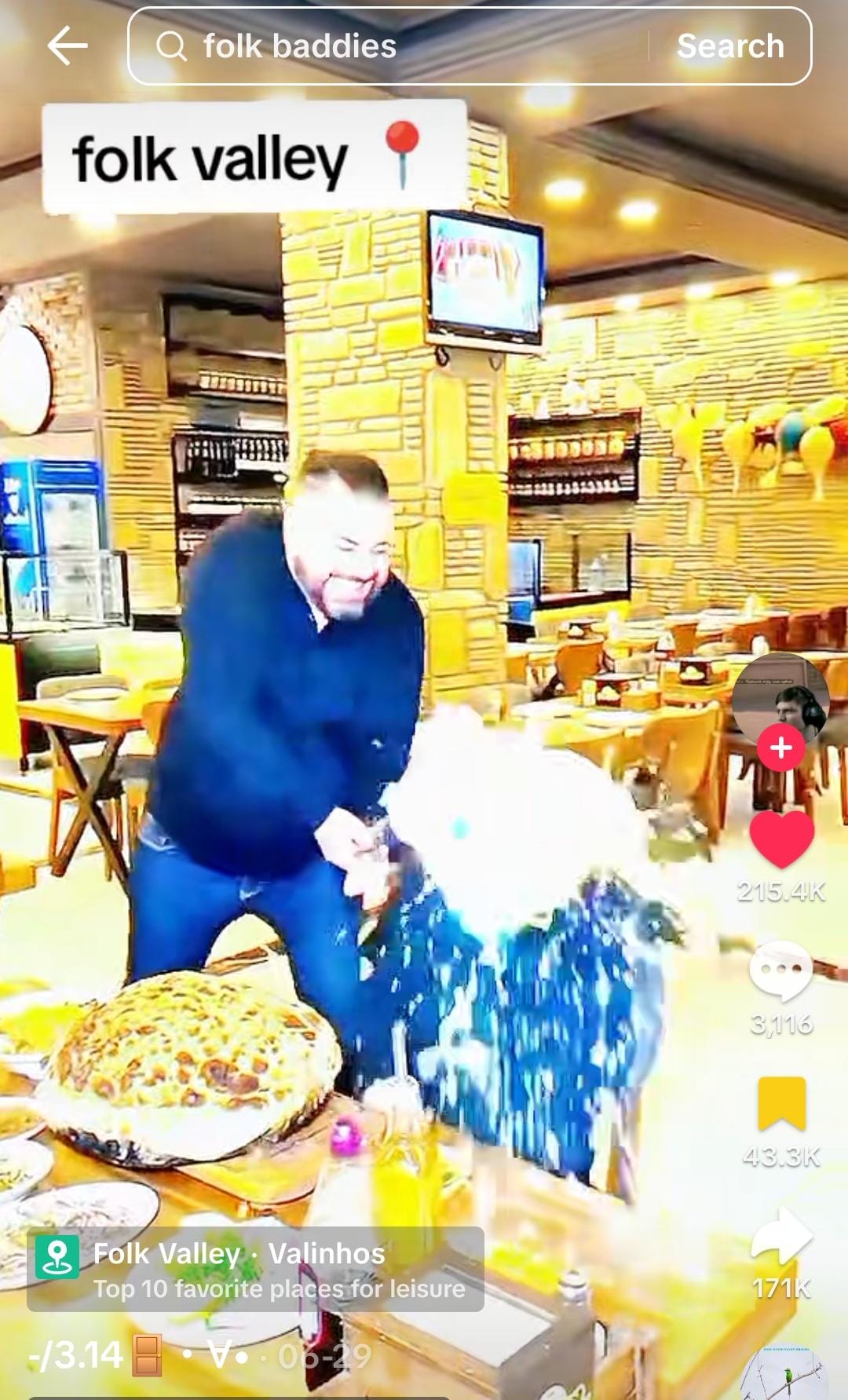
The algorithm starts feeding me more videos resembling the one I've just seen. One shows the same setting, but instead of the bright filter, the scene is rendered in a kind of pink-tinted negative. This time, the waiter slices the customer in half, but his insides seem to be sponge cake rather than a spring. Another version is almost identical to the previous one, but with a different filter and an additional final scene in which a crowd of enraged people tears the man to pieces. Yet another starts in a similar way before spiraling into a chain of increasingly random events. After the waiter cuts the man open, foam begins to erupt from his corpse, followed by balloons and a horse. As the waiter grabs the animal, the two fuse together into a fleshy blob that transforms into a motorcycle. Someone rides away on it, and as they exit the frame, rows of toilets appear on the wall in the background before collapsing, while birds chirp cheerfully.
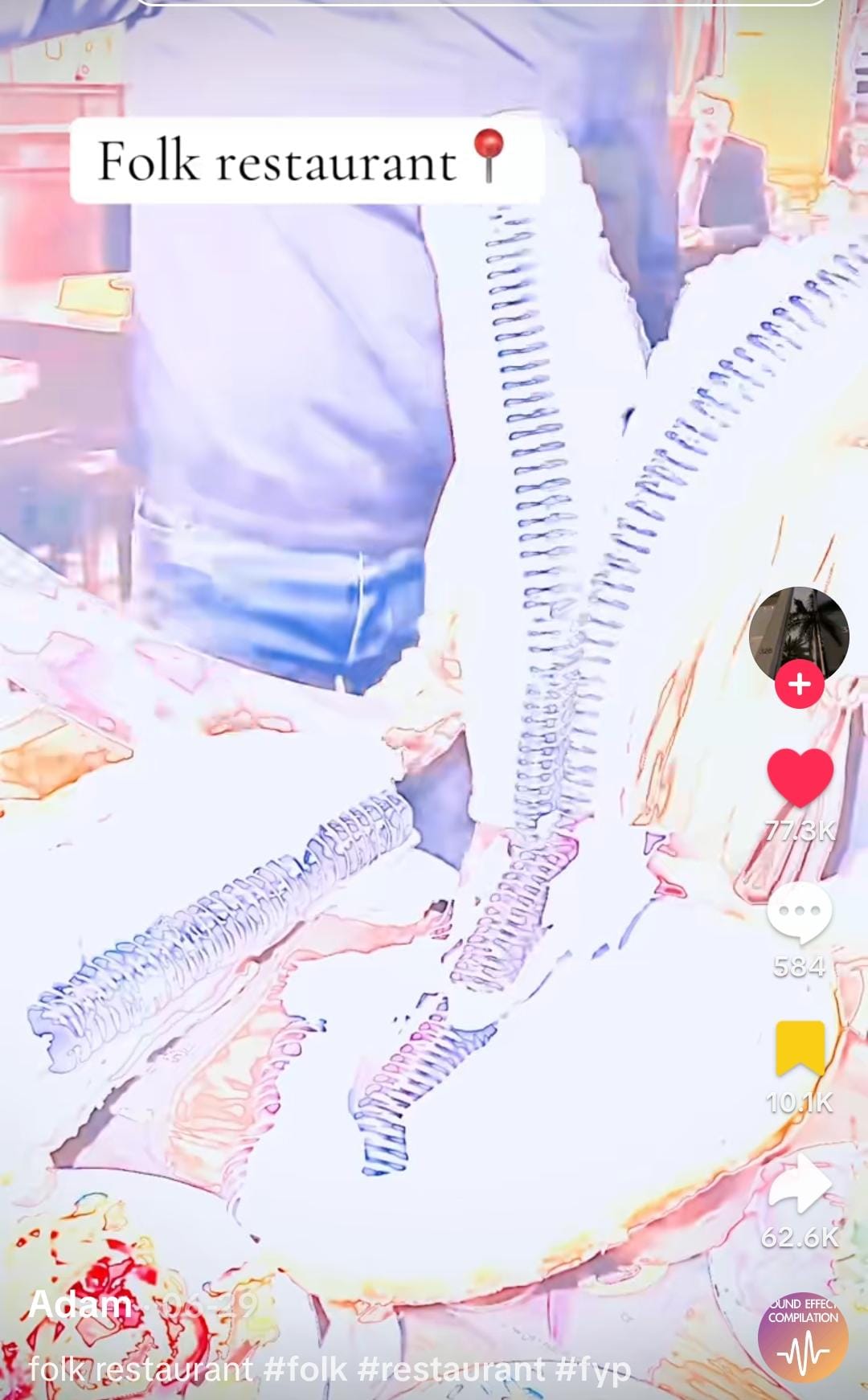
I find another "Folk Restaurant" video with a different scenario. Here, a chef cracks an egg onto a cooktop, then bends forward and removes his hat, revealing the top of his head, from which raw egg begins to ooze. Another man approaches from behind, covers the chef's head with a cloth, and squeezes it into a mass of fettuccine. A third man's head enters the frame and starts eating the pasta. As he lifts the cooking surface, a fleshy tunnel leading to a fungus-like cave is revealed, where two workers are busy constructing an ATM. The same looping soundtrack of chirping birds plays.
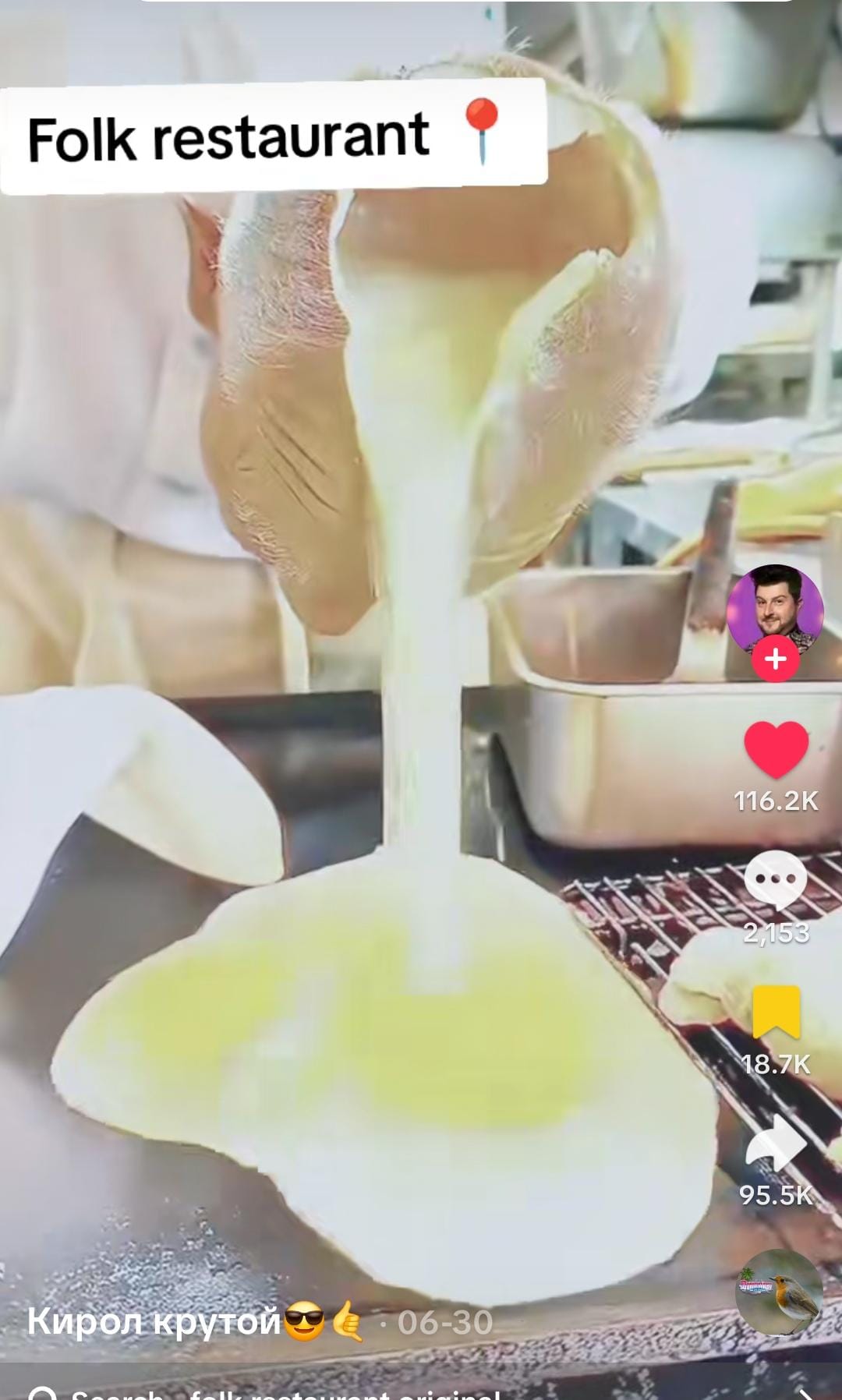
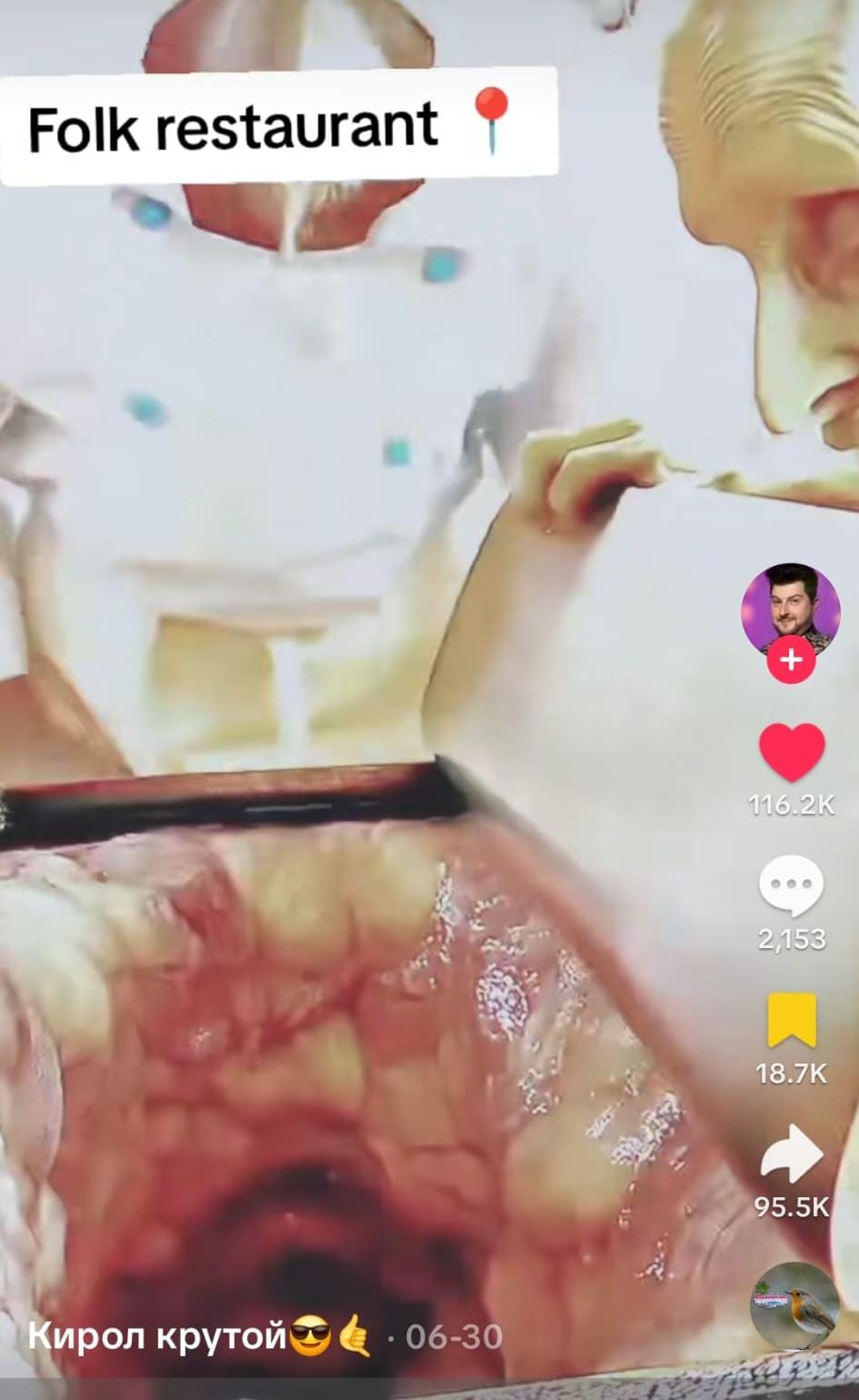
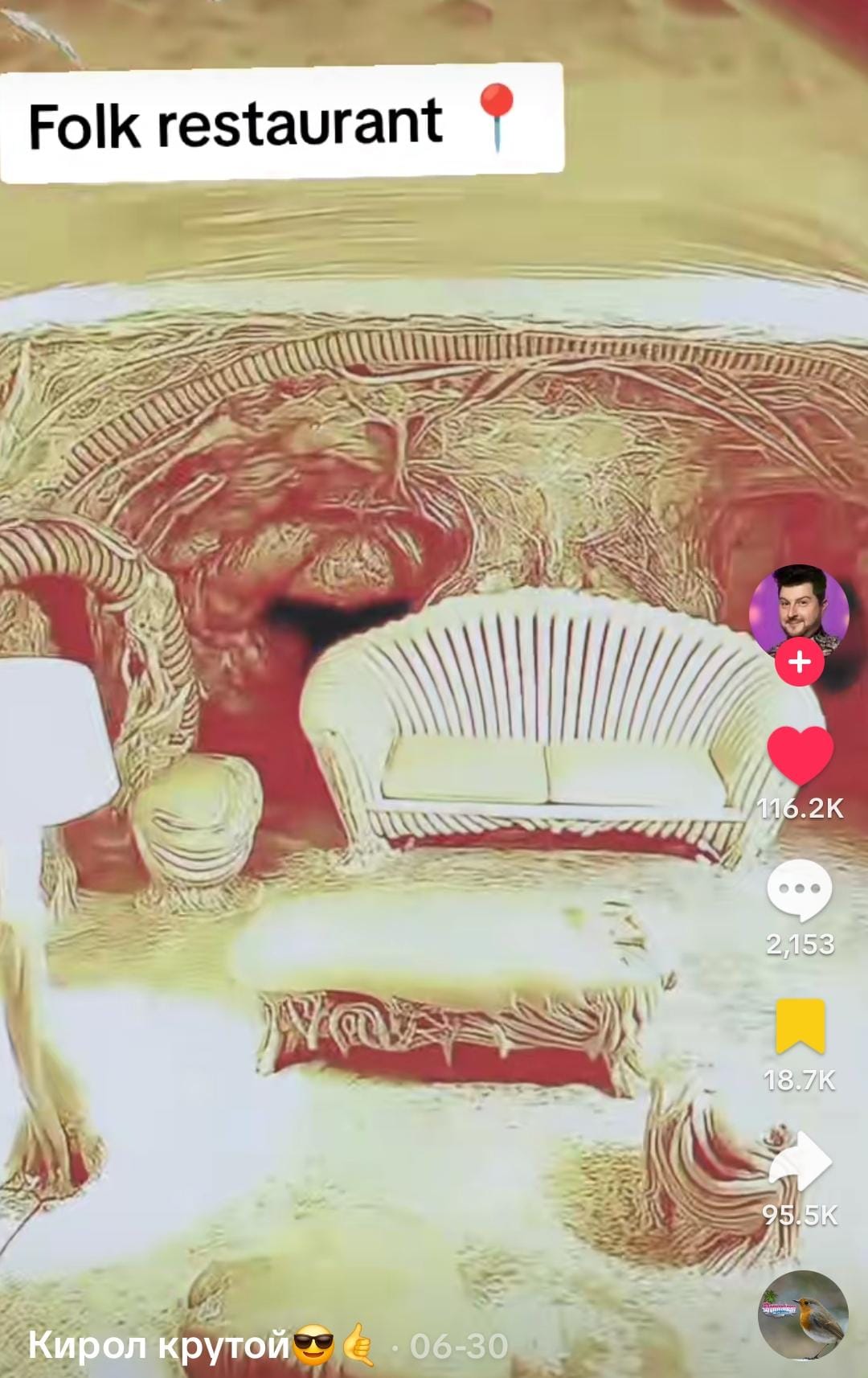
Beyond the restaurant, Folk Valley videos take place in many other settings, all of them strange, if not outright horrific. "Folkistan Chiropractor" shows a patient lying on an adjustment table before being crushed by a massive rock. Other videos feature the body of a man impaled on a spear under a deep-fried filter; a skinned woman in a wheelchair shaking and seemingly screaming; a woman whose face is devoured by her pet; a line of swimmers diving into an empty pool and smashing into the concrete below; and a creepy humanoid creature crawling out of a pipe, only to be attacked by a raging dog.
Not all content is overtly violent, however. Much of it is simply bizarre, like the one featuring Charlie Kirk with the body of an old lady. I love the internet.
After a few minutes of scrolling, I realize that "Folk Valley" is a sort of fictional state with its government, currency, and everyday services including a gym, a library, a barbershop, a café, a dental clinic, and even its own backrooms.
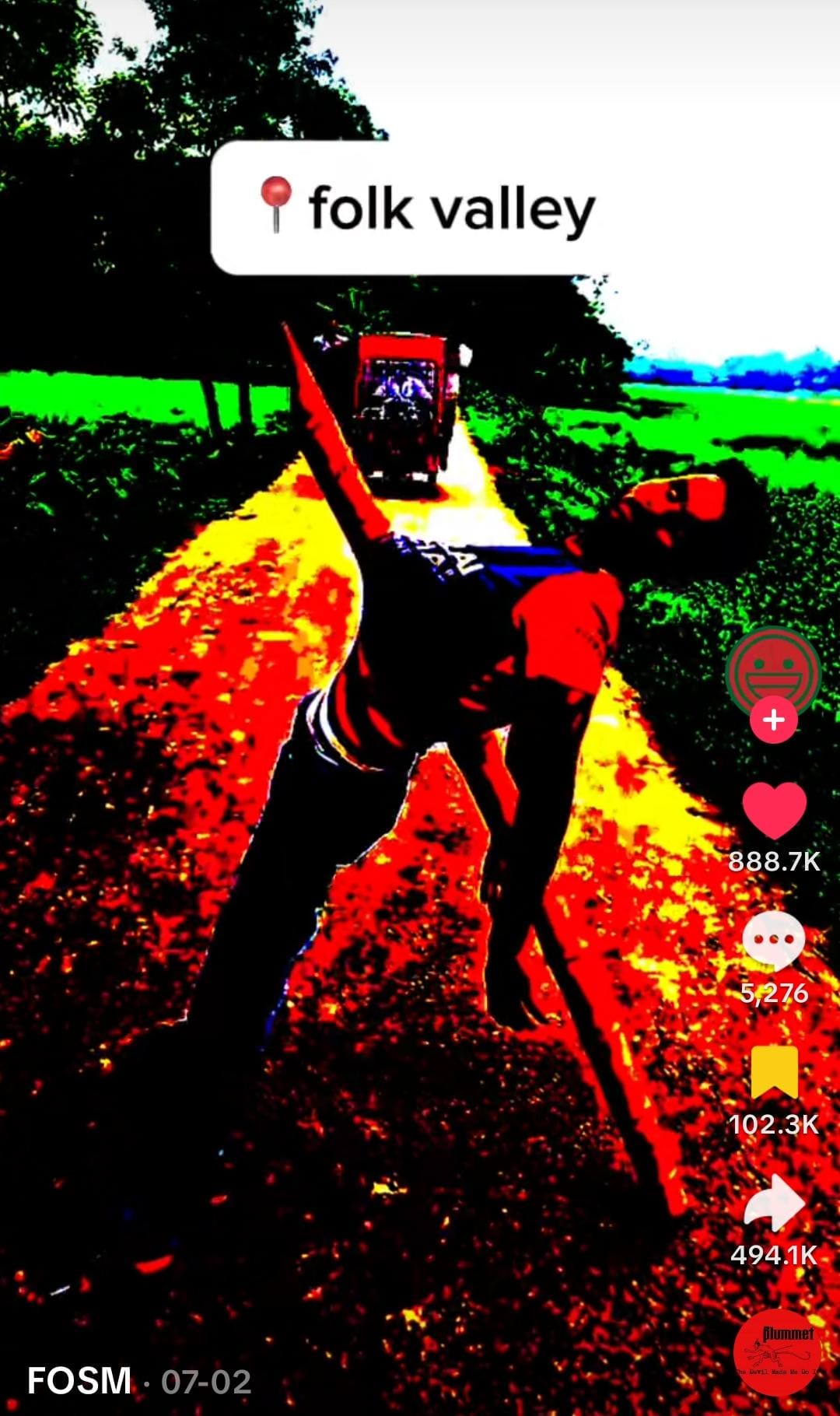
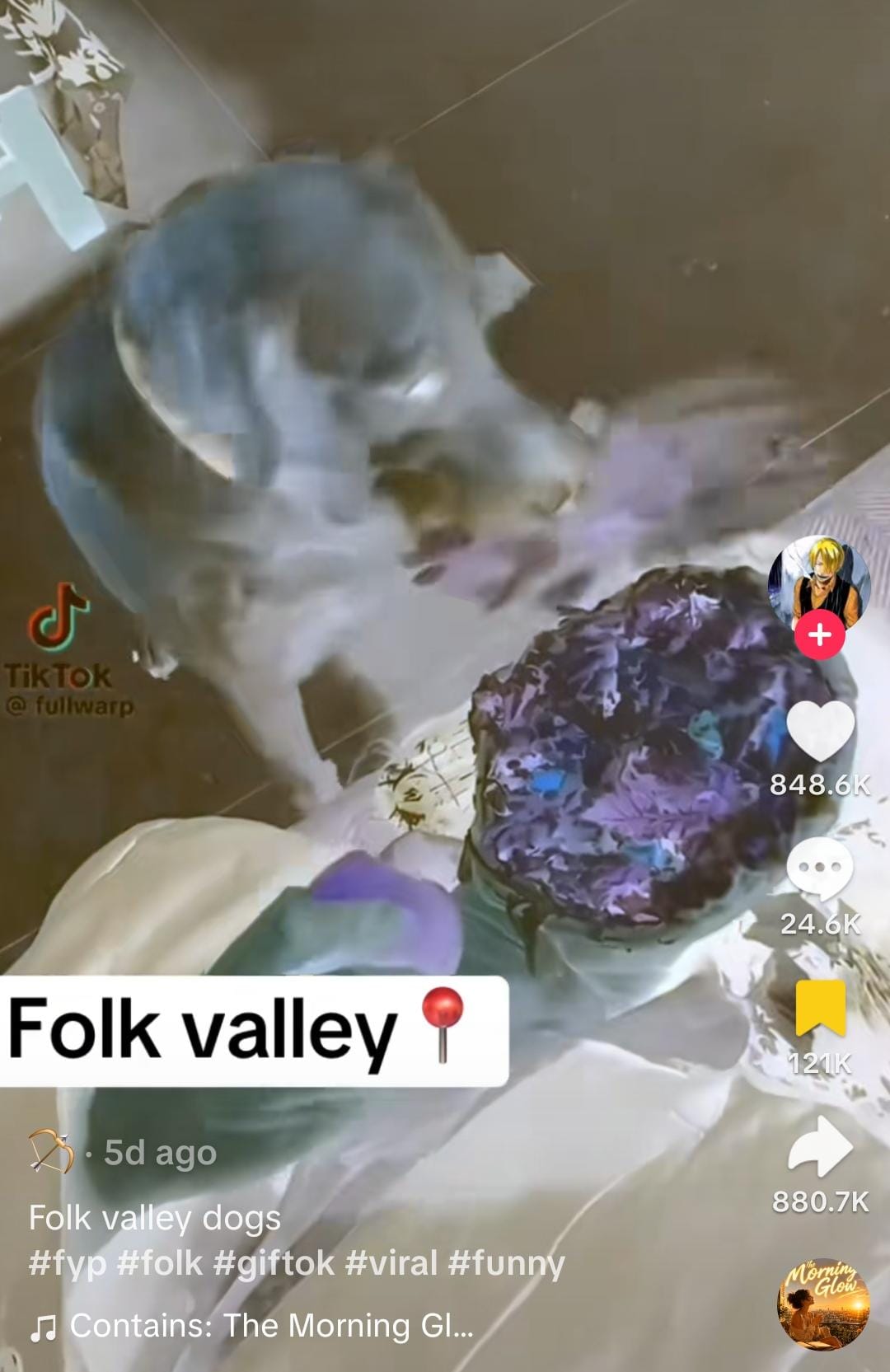
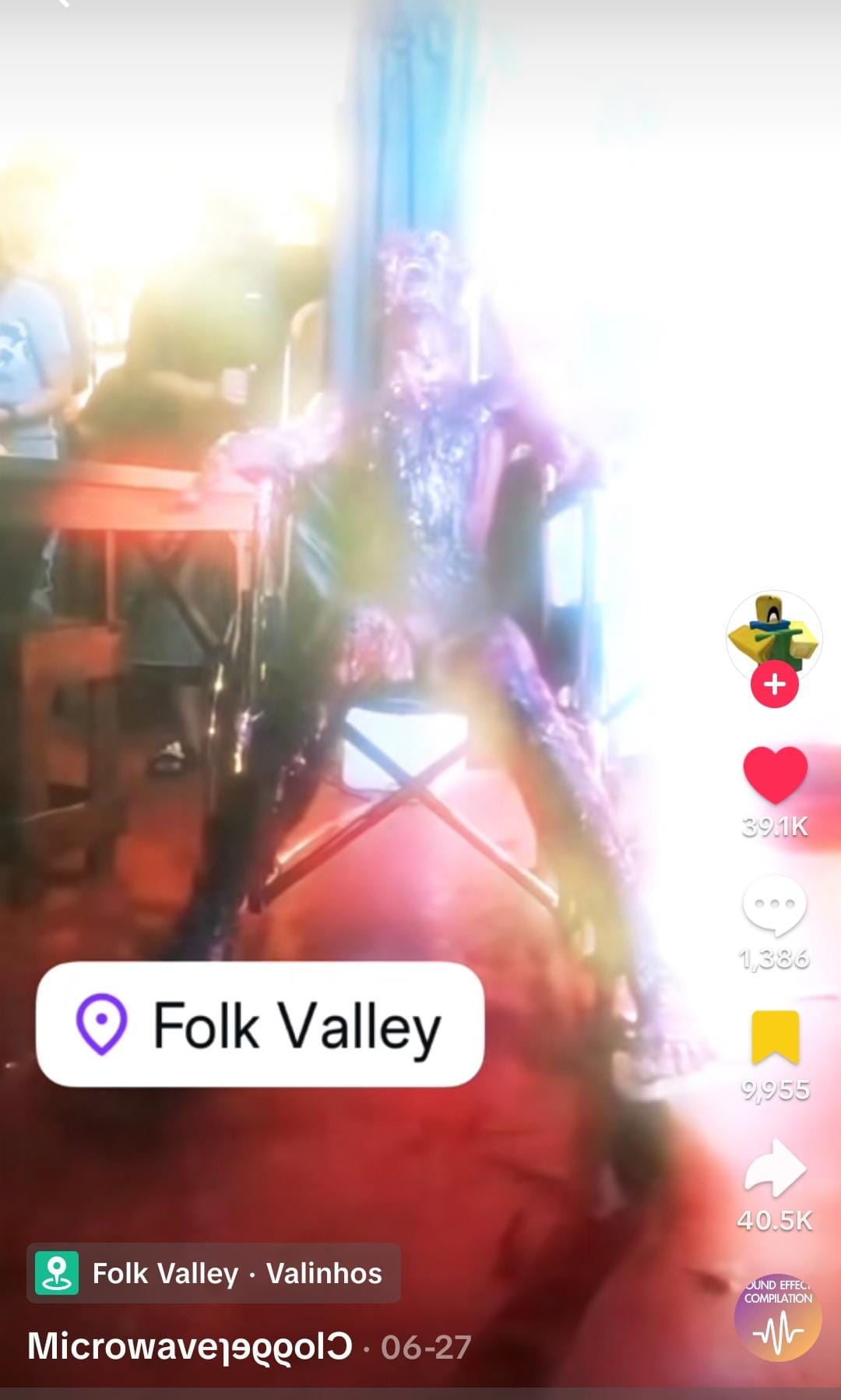
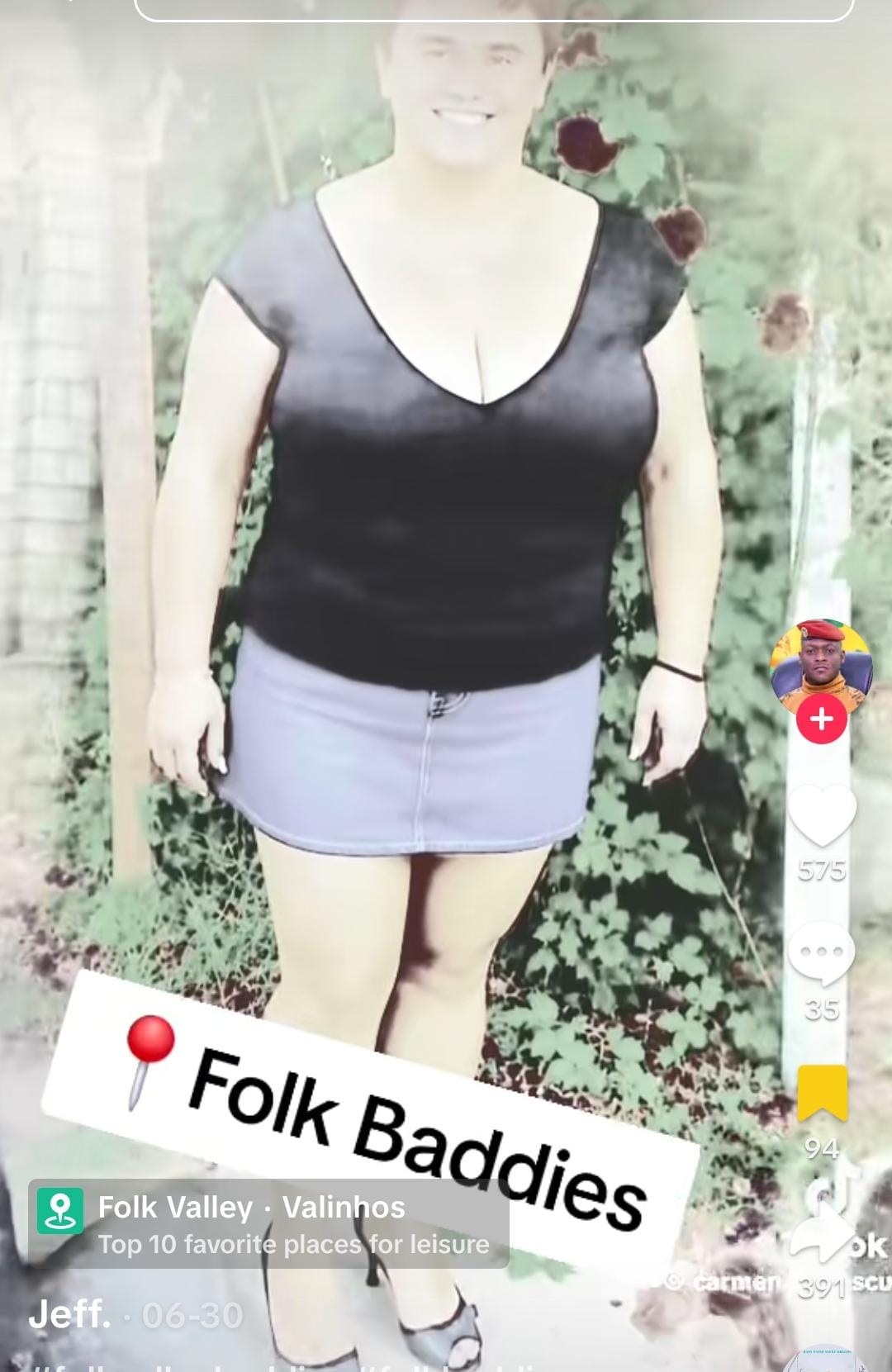
According to Know Your Meme, Folk Valley first emerged in the spring of 2026 and has been described as a new Ohio, a meme that went viral in 2023 that turned the state of Ohio into a fictional place where strange things happened. Early iterations of the trend revolved around an AI-generated grey cat, but judging from the videos I watched and saved, the phenomenon seem to be grown far beyond that.
What stood out to me instead was the recursive presence of uncanny and mildly gory imagery.
Watching clip after clip, I began thinking: why does this kind of content emerge in the first place, and why does it spread so easily online?
I say "spread" deliberately. Folk Valley isn't exactly mainstream, but it has clearly escaped its original niche and started circulating across online communities. I've even come across Folk Valley edits featuring Italian meme characters, suggesting that the format has already become broad enough to absorb local internet cultures. That, to me, makes it worth treating as more than a minority trend.
For starters, as much as cyberspace has been flooded with disturbing content lately (deep-fried memes, the uncanny valley, weirdcore, traumacore, backrooms), “cursed” images aren’t actually new. My own journey into the weirder corners of the internet began around 2014–2015 with what was then known as the "Weird Side of YouTube," even though many of the videos that came to define it had been uploaded nearly a decade earlier.
If you're chronically online, there's a good chance you already know what I'm talking about, but for the sake of clarity, I’ll name a few: Pete The Meat Puppet,
I Feel Fantastic,
Obey The Walrus should be enough to give you an idea of the odd videos I’m referring to. Blank Room Soup even came wrapped in its own dark internet folklore, linking it to the deep web.
Needless to say, before the Weird Side of YouTube became a recognized phenomenon, the early internet had already carved out spaces for this kind of media. Platforms like Something Awful and 4chan, for instance, were packed with bizarre edits.
In short, weirdness has always been a thing online. If anything, it’s just gotten a whole lot stranger.
To trace this evolution, we need only look at memes, a.k.a. the ultimate barometer of the digital zeitgeist. While there’s certainly something offbeat about Dancing Baby (one of the first memes ever), I’ll focus on memes from the point of their massification.
In the early days of Facebook, internet humor was relatively straightforward, dominated by Rage Comics, top-text/bottom-text image macros, and reaction memes. As the mid-2010s approached, however, there was a drift toward the "dank" that marked the beginning of a not so legible style. An interesting element of this shift was the rise of deep-fried memes, which degraded image quality through extreme oversaturation, gaving a distinctly "cursed" twist.
A few years later, the Wojak / Feels Guy universe exploded into a network of cultural archetypes like the Soyjak, the Doomer, the Zoomer, the Bloomer, and the more recent Trad Girl (2019). In this case, grasping the meaning behind these characters and getting the in-joke demanded a certain degree of familiarity with internet subcultures.
From the pandemic onwards, absurdist humor takes center stage in GenZ and GenAlpha online culture, spawning formats like schizoposting.
So, going back to my question: why is weird content so appealing, and how does something like Folk Valley go viral?
First, a material aspect must be considered, since digital technology provides a range of tools that create fertile ground for the production of strange content.
Platforms like Photoshop and similar software make it relatively easy to remix existing images, potentially producing bizarre results. Once uploaded online, images are free to circulate uncontrollably, triggering an endless cycle of reinterpretations and reworkings.
Recently, generative AI has accelerated this process. Italian Brainrot is a telling example, with its countless alternative storylines that have emerged from the individual images of the various characters that make up the phenomenon.
To me, the technique of remixing holds an intrinsic disturbing potential, functioning almost like a visual-art equivalent of Frankenstein's monster. By its very nature, remixing combines elements that would otherwise have nothing to do with one another. The resulting juxtaposition can range from ironic and hilarious to grotesque and uncanny. The uncanny is characterized by a sense of estrangement that arises when confronted with something indefinite, something we can somehow recognize, yet which simultaneously lacks familiarity. Here, horror isn’t explicit. Instead, it resides in the latent sense of menace embedded in the ambiguity of what stands before us.
Beyond its potentially unsettling quality, remixing also carries significant symbolic value. It's no coincidence that photomontage emerged within the Dada movement, where chaos and nonsense assumed a political significance, standing in opposition to the absurdity of a world that claimed to be rational while becoming progressively darker.
With the necessary distinctions in mind, I cannot help but notice a parallel between Dada art and memes. Even if memes aren't (or not always) driven by explicit political commitments, they nonetheless visually reflect the fragmentation of contemporary society.
This brings us to a second factor that helps explain the appeal of content like Folk Valley: the broader historical and cultural context.
As I mentioned, the first decades of the twentieth century marked a decisive turn toward the absurd in visual art, as a reaction to the fall of Enlightenment rationality. The idea of reality as one coherent, all-encompassing narrative collapses definitively with postmodernism.
At this point, the descent into an increasingly paradoxical world was no longer a novelty demanding a reaction. It had evolved into a vibe, an affect preceding conscious thought, something we feel before we can even make sense of it. Over time, the line between pre and post-fragmentation has receded so far into the past that expressing this chaos through art no longer requires conscious political intent. This isn't to say that awareness of a scattered reality is altogether absent, but rather that it is no longer a prerequisite for producing content that reflects it.
This is where I see the key difference between Dadaist works and today’s memes. Dada retained an explicitly political dimension precisely because it emerged from a conscious recognition of the world's growing absurdity. Memes, on the other hand, are at least partially stripped of that overt drive. They can certainly be political or open to committed interpretation, but whether or not we attribute them a deeper reading, memes continue to circulate because they carry an affective charge: their enigmatic nature resonates with us, regardless of any further analysis.
What I believe to be another answer to my question is the appeal of illegible memes.
While scrolling through Folk Valley TikToks, I often stumble upon comments from users asking whether they had reached the "Farlands." Talking about the Farlands, a BBC article defines them as “a hidden corner of TikTok [that] the algorithm won't show you, full of weird, creepy and downright disturbing videos.”
Basically, the idea of the TikTok Farlands points to a supposedly mysterious corner of the platform where eerie and non-mainstream content circulates. This opacity sparks curiosity: people engage with them because they want to figure out what they're looking at, and, perhaps, because they don't want to feel left out of whatever is going on. A lot of recent online aesthetics seem to rely on the same mechanism. Think about angelcore, or occult memes blending esoteric traditions, mysticism, and religion.
Sometimes understanding the meaning becomes secondary. The enigma is what memifies the meme.
The architecture of the internet itself reinforces this sense of mystery. The Farlands are, of course, a place that cannot be reached physically and can only be discovered through endless cyber-lurking. Before the Farlands, other internet myths used the same mechanism. Besides the "Weird Side of YouTube," another example can be found in the so-called Red Rooms of the “Dark Web,” which one could access only by invitation from other deep web users.
On top of that, in the specific case of Folk Valley, some videos are not only strange but openly gory, attracting a segment of viewers driven by a more morbid curiosity (myself included). Unsurprisingly, some users have already begun posting videos claiming that some of the scenes featured in these memes depict real deaths. Whether those claims are true is almost beside the point. The mere suspicion contributes to making the content more intriguing to some.
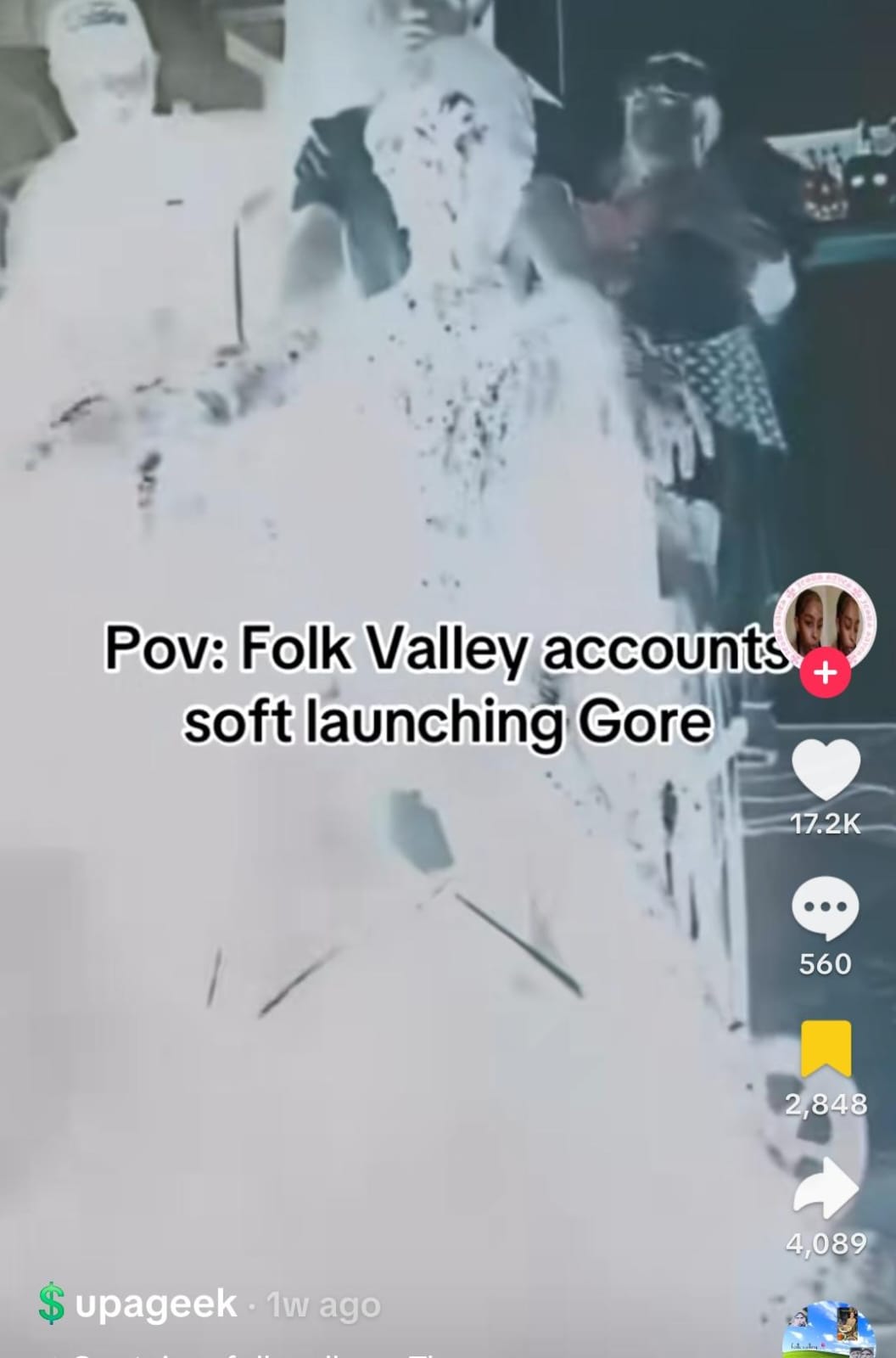
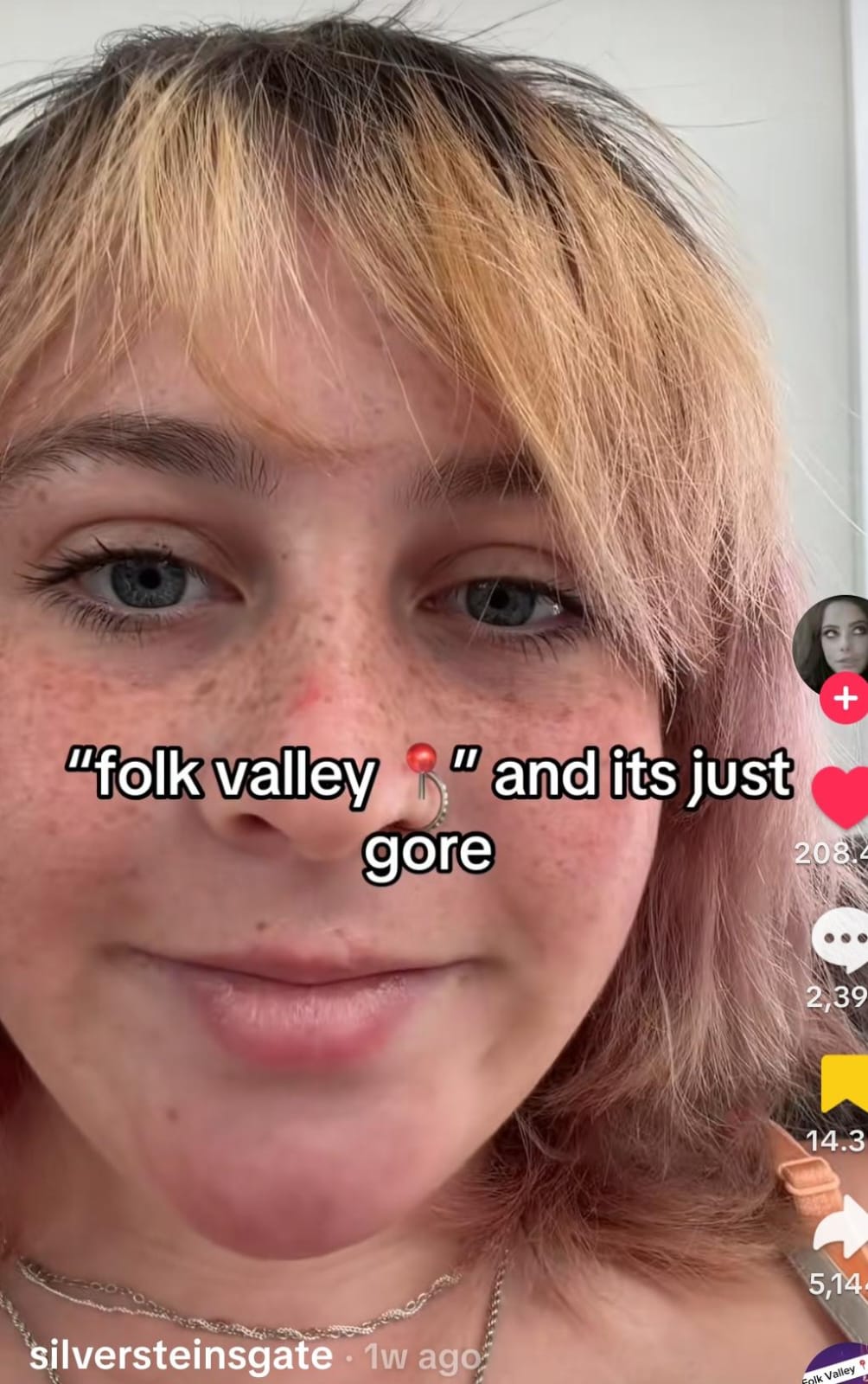
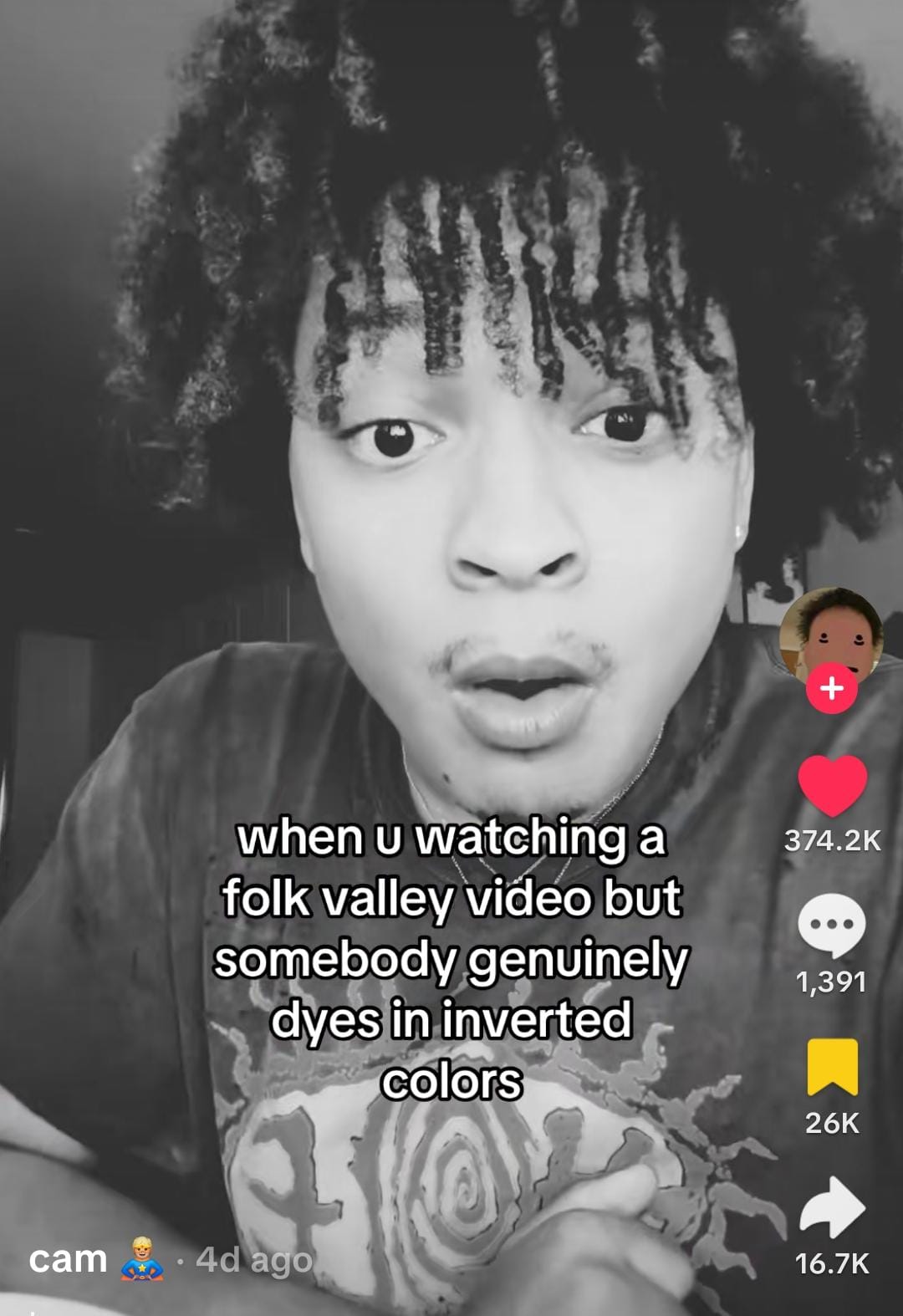
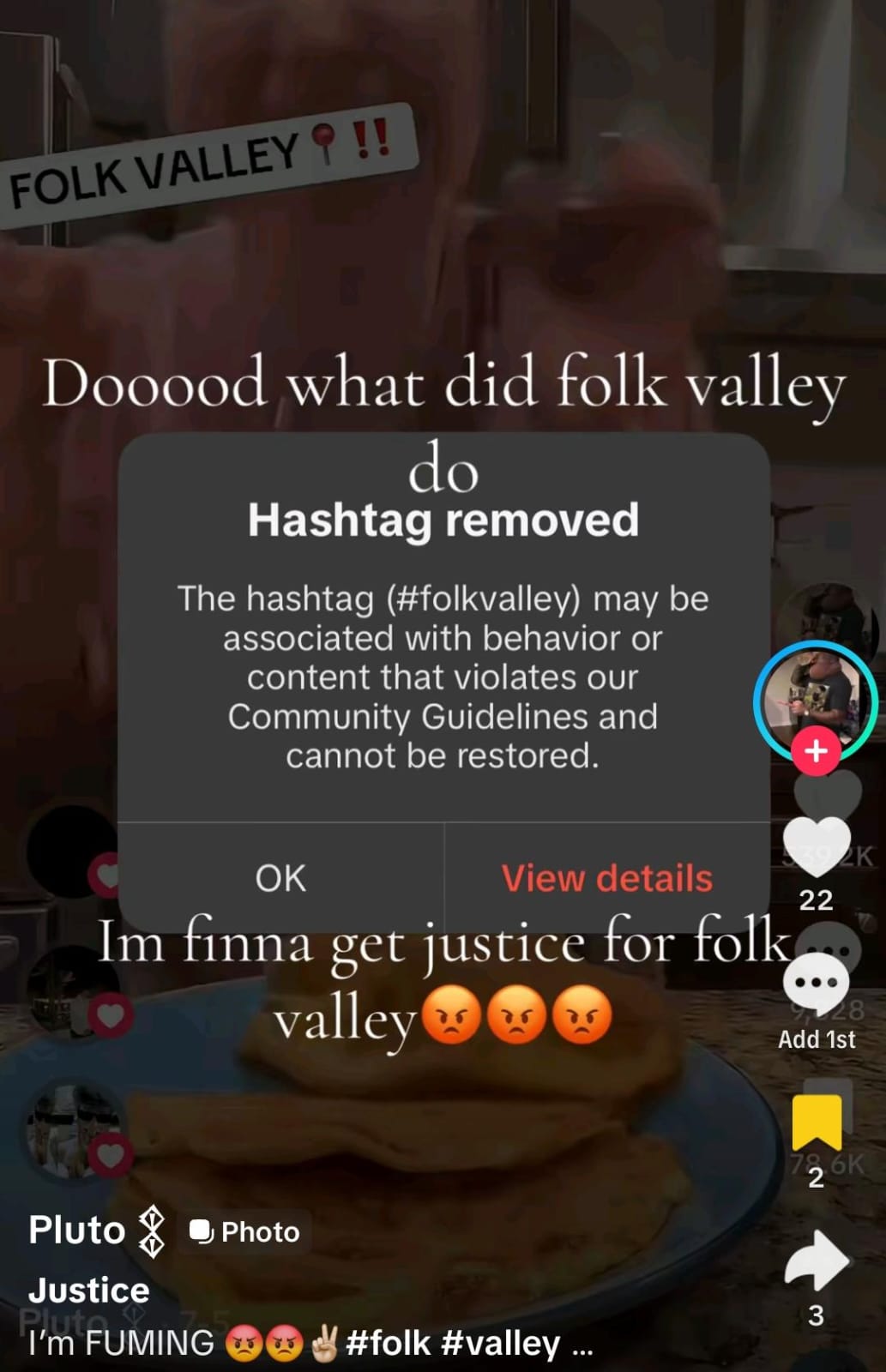
My fourth and final explanation for the popularity of Folk Valley type shi is easy: it can be hilarious.
Now, I don't have any hard data on the demographics of the people engaging with these videos, but judging from the comment sections, I have good reason to believe that a large share of the audience belongs, broadly speaking, to GenZ. That detail is crucial. GenZ’s sense of humor is deeply intertwined with internet culture and infamous for embracing absurdism, thick sarcasm, and multi-layered irony. Looking through the comment sections, we can get a real taste of this brand of humor.
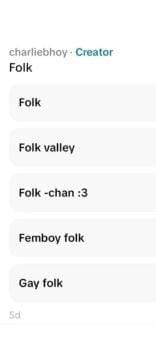
Essentially, you can run into absurd polls or recurring expressions like "Folk Baddie," which often appears highlighted in blue as a clickable search term. I even thought it was a subcategory of Folk Valley, but honestly, I never managed to figure out what it actually refers to.
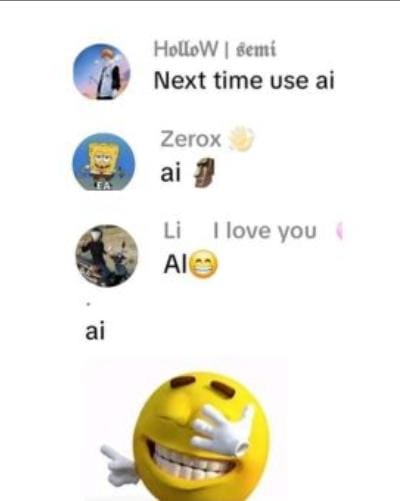
Beyond pure nonsense, many comments build humor by referencing earlier moments in internet culture. A common post-ironic joke, for instance, features users proudly pointing out the obvious use of AI with comments like "next time use AI."
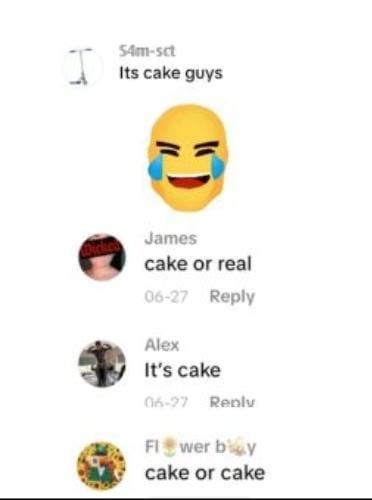
Others push it even further into meta territory, where it’s not the presence or absence of irony that’s in question, but rather the meaning of the comment as such that might escape comprehension. This is the case with comments reading "it's cake" under Folk Restaurant videos featuring the sponge-cake corpse. For those who remember the old These Are All Cakes trend, the inside joke is instantly clear.
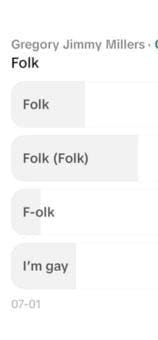
In this sense, remixing isn't just a visual feature, but a comedic one too, and media like Folk Valley is uniquely suited to triggering this kind of humoristic mélange.
As I write this, Folk Valley continues to evolve, expanded by a steady stream of new content that, through a mix of curiosity, macabre fascination, and surreal humor, captivates audiences in ways that don't even need to be understood to work.
P.S. After finishing this article, I found a Folk Valley-style remix of Blank Room Soup, which I mentioned earlier link.
I’m also including the link to my video collection that I gathered for this article: link.